
↵
Practical Advice from an Alum
Summertime – and the Scamming is Easy
By Gene Ret (June 2026)
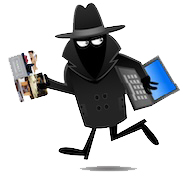 Scams peak in summer as criminals take advantage of vacation plans and high demand. The most common traps include fake vacation rentals, cloned airline customer service websites, phishing messages exploiting AI data and fake event tickets.
 Protect yourself by always booking directly on official apps, utilizing credit cards instead of debit cards and ignoring high-pressure "too good to be true" deals.
Travel & Accommodation Fraud
Scammers use generative AI to create highly convincing fake websites, realistic images of non-existent properties and cloned versions of major booking platforms (like Airbnb or Vrbo) to steal your deposit. Scammers use generative AI to create highly convincing fake websites, realistic images of non-existent properties and cloned versions of major booking platforms (like Airbnb or Vrbo) to steal your deposit.
- Always verify: Check URLs carefully to ensure they match the real brand. Cross-reference property addresses on Google Street View and read reviews across multiple, independent third-party platforms.
- Avoid Zelle/Debit: Never wire money or use cash apps for vacation rentals, and avoid using debit cards for bookings, as they offer less protection. Always use a credit card for consumer protections and chargeback rights.
- Verify before you buy: If you use a travel agent or rental company, check their rating with the Better Business Bureau before handing over any money.
Fake Airline Customer Service
A growing scam involves fraudsters placing paid search engine ads that appear above real airlines. When travelers google a phone number for flight changes or cancellations, they accidentally call the scammers, who then demand thousands of dollars in "rebooking" or "cancellation" fees.
- Use official channels: Never google an airline's customer service number during a travel emergency. Instead, access support directly through the airline's official mobile app or their verified website.
Phishing and Data Breaches
Armed with information from data breaches, scammers use artificial intelligence to send hyper-personalized phishing messages that mimic legitimate hotel staff. They might text or email you demanding immediate payment to secure an upcoming room or a planned romantic dinner, using urgent language to cause panic.
- Confirm the source: Do not click on unsolicited links or text messages regarding unpaid road tolls, missed flights or reservation updates.
- Contact the property: Independently look up the hotel or airline's direct number and call them to verify the request.
Event & Concert Ticket Scams
With summer being peak concert and festival season, scammers frequently set up fake websites or post on social media offering heavy discounts on sold-out events. Once you pay, you receive either counterfeit tickets or nothing at all.
- Stick to trusted retailers: Only buy tickets from the official event organizer, authorized box offices or verified, trusted resellers.
Public Wi-Fi & Charging Risks
While out and about, be extremely wary of open Wi-Fi networks at airports, coffee shops and hotels. Unsecured networks allow hackers to intercept personal data.
- Avoid "juice jacking": Never plug your phone into public, unprotected USB charging ports in airports or transit stations, as these can be rigged to export your data. Always use your own wall charger or a data-blocker cable.
If you suspect you've been targeted by a summer scam or an identity crime, you can reach out for advice or report the incident to the Identity Theft Resource Center online at idtheftcenter.org.
About Gene Ret
 Eugene (Gene) Ret is a 30-year veteran of Chase Bank and has been in financial services for 45+ years. He has been a Privacy Professional for 23 of these years and was a Senior Privacy Compliance Officer for Chase, as well as HSBC.
Ret was one of the first to develop and employ “best in class” privacy protocols in the buildout of the Privacy Office function and participated in the early development of bankers' recommendations to federal regulators regarding effective and appropriate Privacy standards. Ret has been a presenter at bank trade associations’ symposiums on various Privacy matters and has been a frequent contributor to online Privacy forums and discussions on new and trending topics.
Ret is currently an independent consultant in General Banking Compliance, specializing in Privacy. He is a certified Privacy Professional – CIPP-US – a certification by the International Association of Privacy Professionals.
________________________________________
Please send questions or comments to: